Rental program
Renting a Dolphin FIS system, anywhere in the US
Most people who reach this page are not shopping. A clinician has named a therapy surface, a discharge date is moving toward them, and the question is whether the thing can be rented instead of bought. It can. We rent Dolphin® FIS® fluid immersion simulation systems by the month, anywhere in the United States, and we also sell them outright to anyone who would rather own one.
A rental exists because the clinical need usually has no known end date. A pressure injury closes on its own schedule. A flap either takes or it does not. A patient comes home for what everyone hopes will be six weeks and stays on the surface for five months, or comes off it in three. Renting turns that uncertainty into a monthly cost you can stop, instead of a capital purchase you cannot undo.
What follows is the mechanism: what actually ships, what we need to know before it does, what happens each month, and what happens when the surface is no longer needed. Rates are on the pricing page, where the table carries them, so nothing here has to be reconciled against a number typed into a sentence.
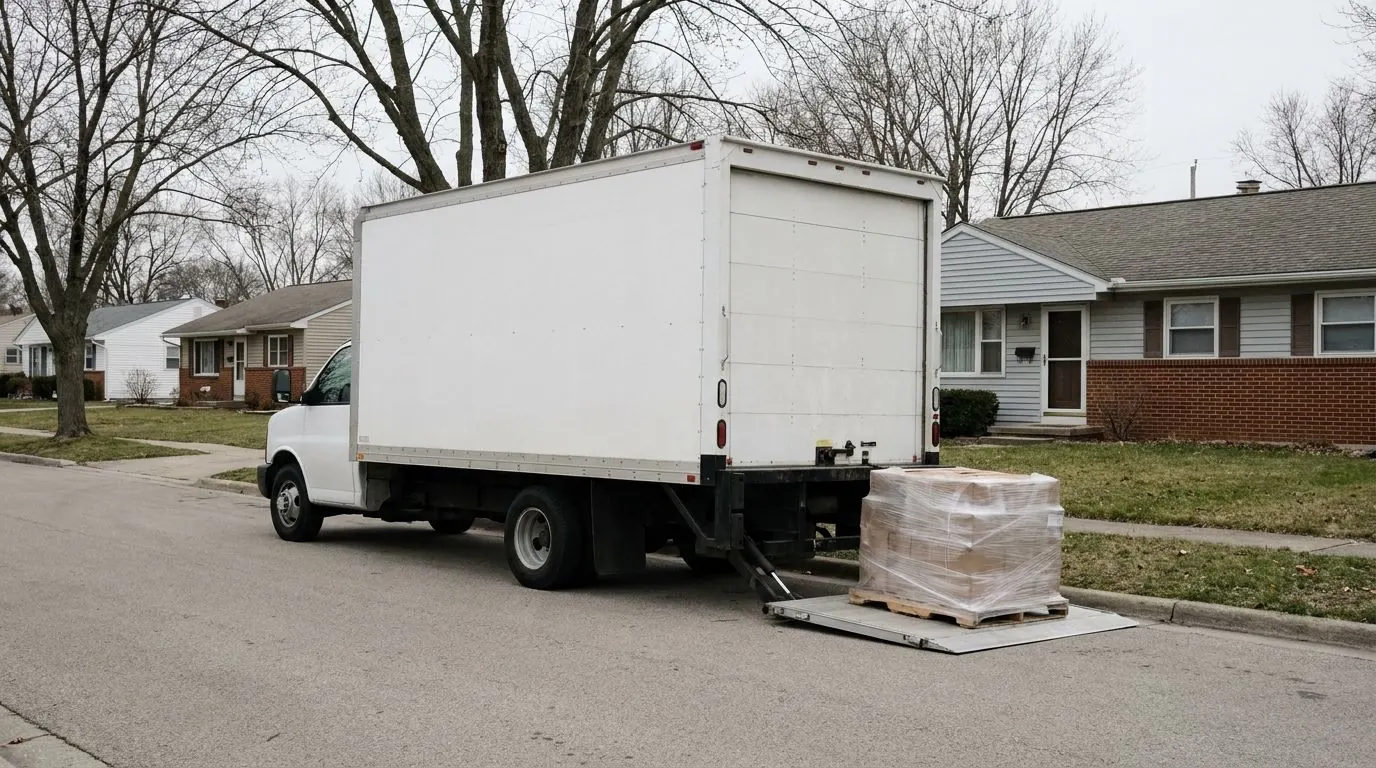
- Rent or buy
- Both. The same configurations are available either way
- Term
- Monthly, continuing while the need continues
- What ships
- A therapy surface and an AutoVector® control unit — not a bed
- Coverage
- All fifty states, plus Alaska and Hawai‘i on their own lanes
How a rental actually runs
- 1
Tell us the surface and the frame
The configuration a clinician has named, the width and length of the bed frame it has to sit on, and the patient’s approximate weight. If you only have part of that, start anyway and we will work through the rest with you.
- 2
We check the fit before anything moves
Dolphin surfaces come in set widths, lengths and depths. We match one to the frame you actually have, because a surface that leaves gaps at the rails or panels is a surface Joerns says must not be used.
- 3
Written quote, then freight
You get the monthly rate, the freight charge and the terms in writing before anything ships. Freight is quoted separately from the rental because the lane and the access at your end change it.
- 4
Delivery and setup
The surface is carried in, placed on the frame, connected to the control unit, powered up and checked, and whoever is caring for the patient is shown the controls, the battery behavior and the CPR deflation valve.
- 5
While it is in use
The rental continues month to month. If the patient’s weight, the frame or the room changes, tell us: swapping to a different configuration is usually easier than people expect.
- 6
Collection
When the surface is no longer needed, tell us and we arrange collection. It leaves the house the way it came in, and it is cleaned and inspected before it goes anywhere else.
What you are renting, and what you are not
A Dolphin FIS system is a therapy surface and its control unit. It is not a bed. The surface lies on a bed frame you already have — a home care hospital bed, a facility frame, a rental frame from a local DME supplier — and the control unit sits alongside it and plugs into an ordinary outlet. Joerns lists the therapy mattress at 22 lb and the control unit at 10 lb, which surprises people who expect a therapy bed to arrive on a pallet with four technicians behind it.
That distinction matters commercially as well as physically. If nobody in the house has a hospital bed yet, you need two things from two places: a frame, usually rented locally or supplied through a covered Medicare benefit, and this surface, rented from us. We will say so plainly rather than let a delivery arrive with nowhere to put it. It also means the frame carries its own limit: every capacity figure Joerns publishes is for the mattress alone, and the total load must stay inside what the frame manufacturer rates.
- A Dolphin FIS therapy surface in a width, length and depth matched to your frame
- The AutoVector® control unit, its hoses and its power lead
- Delivery by freight, carried in and set up on the frame
- A handover covering the controls, the battery, the comfort adjustment and the CPR valve
- Collection at the end, and sanitized handling of the returned surface
Why the term is open-ended, and what that costs you
We do not ask you to guess how long a wound will take. The rental runs monthly and continues while the need continues. That is not generosity; it is the only honest structure for equipment whose end date belongs to a wound-care nurse and a physician rather than to a sales calendar.
The trade is that a long rental eventually costs more than owning. There is a crossover point for every configuration, and where it falls depends on the rate and the months. If the care team is already talking in terms of a year or more — a spinal cord injury with a long rehabilitation ahead, a facility that expects to keep a surface in service across many patients — the purchase conversation is the better one, and we will have it with you rather than quietly billing month twenty-three.
Everything about the term, the notice needed to end it and what happens if a patient’s situation changes is confirmed in writing before the surface ships. Ask for it in writing if it has not arrived that way. Nothing on this page is a contract, and we will not pretend otherwise.
What the room has to provide
The system runs on mains power. Joerns rates the control unit at 115/230 VAC, 50/60 Hz, drawing 0.34/0.21 A, so a standard outlet is sufficient and no electrical work is involved. What matters more is that the outlet is one nobody unplugs: this is not an appliance to run off a switched power strip shared with a lamp.
There is a rechargeable battery in the control unit. Joerns states it provides alternate power for approximately twelve hours if the system is disconnected or the power fails, and that it recharges once power returns. It is a bridge, not an independent power supply, and two things follow. In a region where outages are seasonal and planned — hurricane country, wildfire shutoff country — twelve hours is a planning number to discuss before the surface arrives. And the storage switch has to be in the battery-on position for the battery to recharge, which is the single most common reason a battery is flat when it is needed.
The equipment also has a rated environment. Joerns gives the operating range as 50 °F to 95 °F, with relative humidity of 30% to 75% non-condensing, and rates the enclosure IPX2. A sunroom in July, an unconditioned garage, a porch where a carrier might leave a carton: all of those sit outside what the manufacturer rates, which is why delivery here is a scheduled handover rather than a doorstep drop.
- A standard outlet that stays dedicated to the control unit
- A bed frame whose width and length match the surface, with no gaps at the rails or panels
- Room on one side of the bed for the control unit and its hoses
- An indoor space inside the rated operating range of 50 °F to 95 °F
- An adult present at delivery to take the handover
Changing configuration mid-rental
People’s bodies and rooms change. A patient gains or loses weight. A family moves the bed downstairs and buys a different frame. A wound closes on the sacrum and opens on a heel, and the care team revisits the surface. A 35-inch surface that was right in March can be the wrong answer in June.
Tell us when that happens instead of working around it. Widths run 35, 42 and 48 inches; lengths 82 and 88 inches for the step-deck configuration, with an expandable model Joerns rates from 80 to 92 inches; depths are 8 or 10 inches depending on the model. Swapping within the range is a logistics problem, and logistics problems are ours. What we will not do is decide clinically that a different surface is appropriate — that belongs to the clinician who assessed the patient.
Paying for it
We do not bill Medicare and we do not submit claims to insurers on your behalf. Rentals here are paid privately by families, or on a facility’s own purchase order, or through a VA health network’s contracting process. That is the whole list, and saying it up front saves people weeks.
There are two things worth knowing anyway. Fluid immersion simulation has no HCPCS code of its own and a Dolphin FIS is not an air-fluidized bed, so the Medicare pathway people expect does not exist for this product; if a covered Group 2 surface would meet the clinical need, that is a better answer than this one and the insurance section explains how to ask for it. And a therapy surface prescribed for a diagnosed condition is the kind of item a Letter of Medical Necessity exists for, so an HSA or FSA claim is a conversation worth having with your plan administrator, who decides — not with us.
Useful to have before you make contact
- The configuration or surface type the clinician named, if they named one
- The make and model of the bed frame, or its measured width and length
- The patient’s approximate weight, and the frame’s rated capacity if you can find it
- The delivery address, including the floor, and whether there is an elevator or stairs
- Any building rule about deliveries, insurance certificates or booked elevators
- The date the surface is needed by, and what that date depends on
- Who will be present to receive the delivery and take the handover
- Whether you are renting privately, on a facility purchase order, or through a VA process
Questions people ask us
Do you rent these, or only sell them?
Is a hospital bed included in the rental?
How long does a rental have to run?
What happens in a power cut?
Can we change to a different size partway through?
Will Medicare pay for the rental?
Do you rent to Alaska and Hawai‘i?
Start with the frame and the date
Send us the configuration, the bed frame it has to fit and when it is needed. We will confirm the fit, put the rate and the freight in writing, and tell you plainly if a different surface or a different supplier is the better answer.